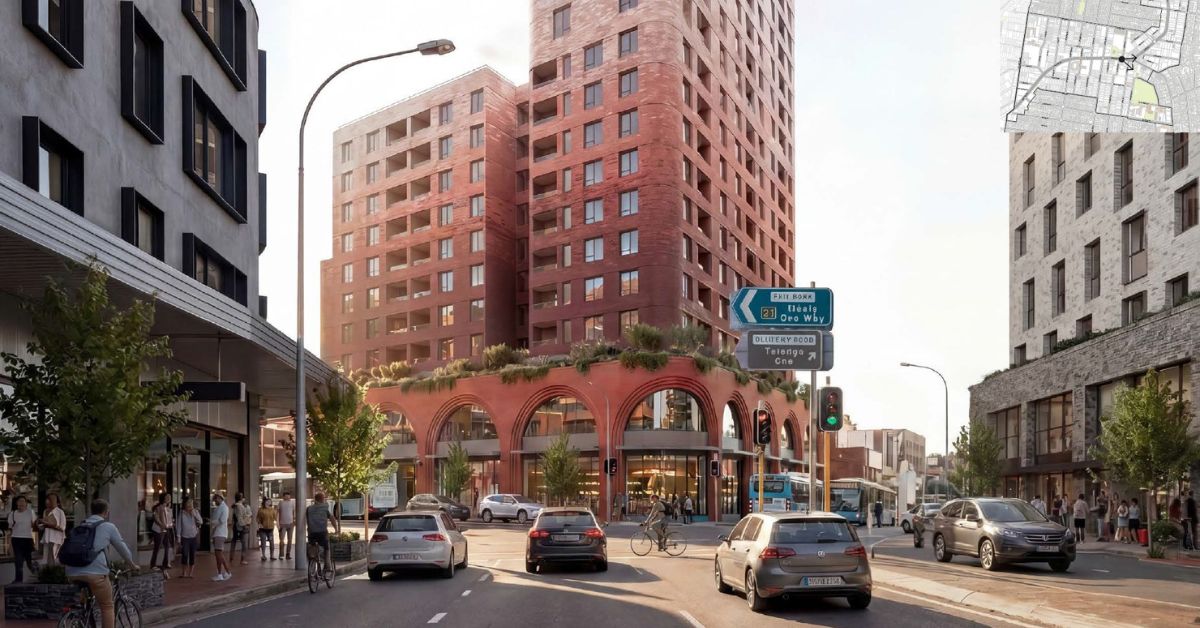
Mosman is facing its biggest housing decision in decades, and the question dividing residents is not whether new homes should be built, but which streets should absorb them.
The local housing strategy, developed over months of community consultation, concentrates future property development along the Military Road corridor to shield harbor slopes, Balmoral, Mosman Bay, and heritage conservation streets from the generic six-story apartment heights allowed under statewide zoning rules.
The NSW planning changes
Sydney is in the grip of a housing shortage, and in response, NSW introduced the Low and Mid-Rise Housing Policy to allow apartment buildings of up to six storeys within 800 metres of designated town centres and transport hubs. Much of Mosman falls inside those catchment areas.

Developers noticed immediately. More than 600 dwellings have already been proposed across the suburb under the current rules — and that number will keep climbing while the statewide policy remains in place.
A different vision for new housing
Rather than spreading six-storey buildings across established residential streets, the masterplan would channel most new housing along Military and Spit Roads, rezoned at a largely continuous 12 storeys, rising to 25 storeys at selected sites.
The Balmoral escarpment, Mosman Bay, heritage conservation areas and the harbour-facing slopes would be shielded from that growth entirely.
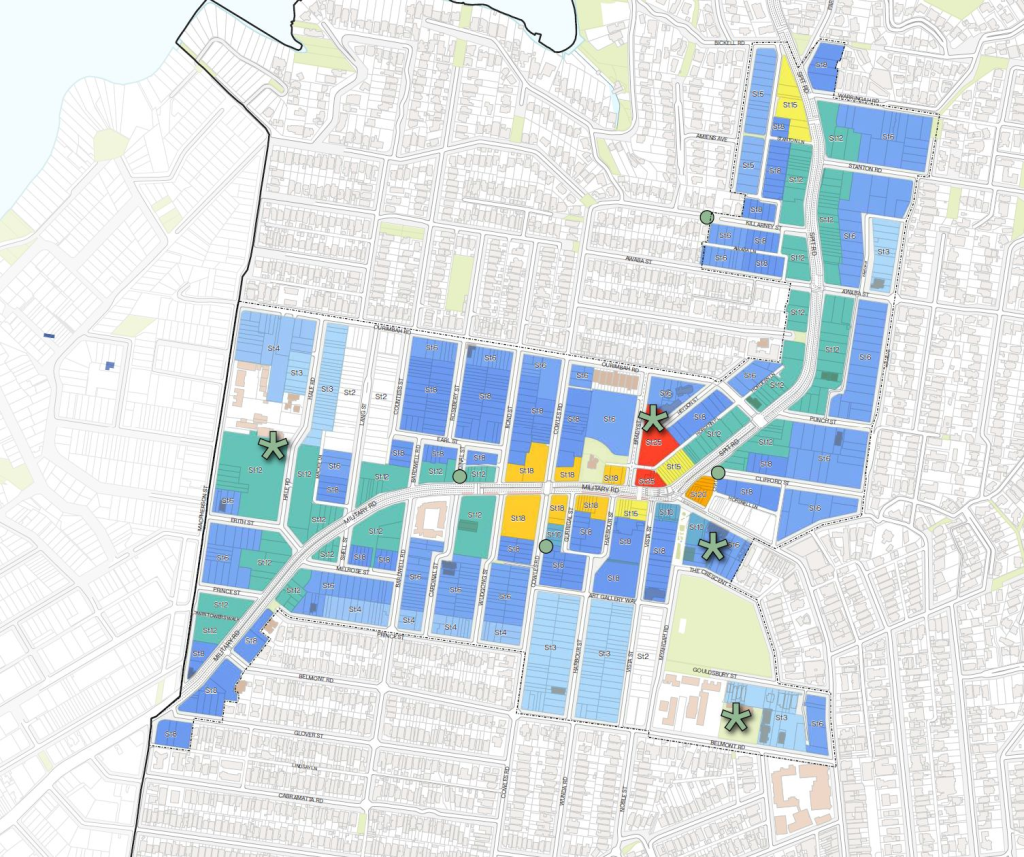
The plan would deliver roughly the same number of homes as the statewide rules — around 4,700 — but in a concentrated corridor rather than scattered through the suburb’s backstreets and hillsides.
Planners are pursuing the formal state planning pathway to advance this local strategy as a legally recognized alternative to the default rules.
A community with no clear consensus
Here is the uncomfortable part.
When Mosman residents were asked to choose between a “high and narrow” model concentrating growth along Military Road and a “low and wide” model spreading development more evenly across the suburb, the community did not reach consensus.
Forty-four per cent preferred the low and wide approach. Forty-one per cent backed the high and narrow option. The remaining residents were undecided.
Around 4,000 instances of engagement were recorded across the consultation — involving roughly 11 per cent of Mosman’s adult population — making it one of the most engaged planning consultations in the suburb’s history.
Who bears the burden?
That split maps almost perfectly onto geography. Residents in low-lying and harbour-facing areas tend to support the Military Road corridor model — it protects their streets while pushing height elsewhere. Those who live close to Military Road see it differently.
“All the pain of change is shared by a small number of people,” one submission stated bluntly. Long-time resident Peter Abelson told a public forum the plan represented a 35 per cent increase in Mosman’s housing stock and “failed Planning Rules 101.”
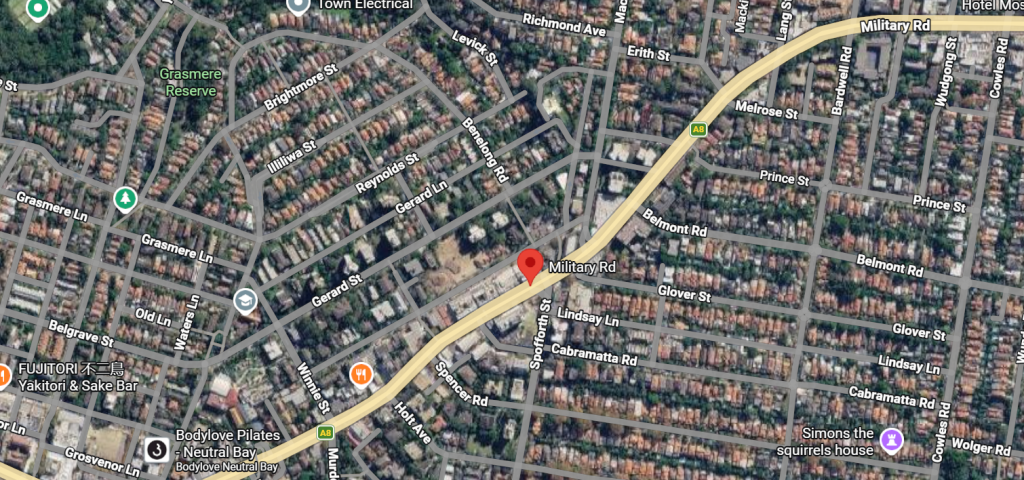
Military Road already carries up to 76,000 vehicles a day. What happens to traffic, noise, air quality and school capacity when thousands of new residents arrive is a question the masterplan acknowledges but has not yet fully answered.
The sting in the tail for existing residents
Even if the masterplan is adopted in full, it will not undo what has already happened. Developments already proposed or approved under the current NSW planning rules will proceed regardless.
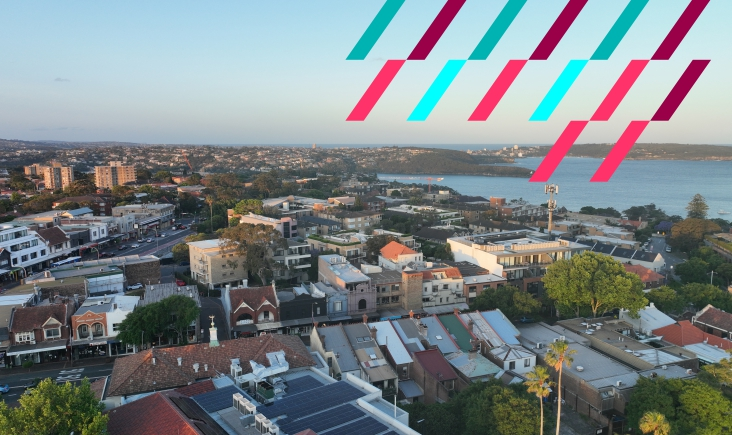
Resident Peter Marshall put it plainly: his home borders a proposed 10-storey building approved under the statewide policy, and his views of North Head will disappear whether the masterplan succeeds or not. “For people like me,” he said, “it’s too little, too late.”
State approval is far from certain
The statewide Low and Mid-Rise Housing Policy is not going away.
The NSW Planning Minister has made that clear, stating the reforms have “restored housing choice close to shops, transport and jobs” and that the policy “is here to stay.” The masterplan requires state approval, and that approval is not guaranteed.
The Mosman masterplan is framed not as an objection to housing growth but as a better way to manage it — one shaped by the specific character, infrastructure constraints and community values of this particular suburb. Whether NSW accepts that argument will define what Mosman looks like for the next generation.
The next decision
The refined masterplan goes to an Extraordinary Council Meeting in late August or early September. If adopted, it will be submitted to the NSW Planning Department for assessment and negotiation.
The community can register for updates and continue to submit feedback here.
Published 10-July-2026