A vacant former retirement home in Mosman became more than an unused building awaiting its next purpose. Over five years, it was transformed into a place of safety for older women facing housing insecurity, delivering more than 25,000 safe nights and helping many residents move towards permanent housing.
A Mosman Building Given A New Purpose
Between 2020 and 2025, Mosman House turned an empty former retirement home into 18 transitional homes for women aged 50 and over.
The project supported 57 women during that period, using a Meanwhile Use housing model that allowed an unused property to provide short- to medium-term accommodation while longer-term plans for the site remained ahead.
It was a practical idea with a deeply human outcome. Rooms that may otherwise have sat empty instead became places where women could pause, regain stability and begin working towards a more secure future.
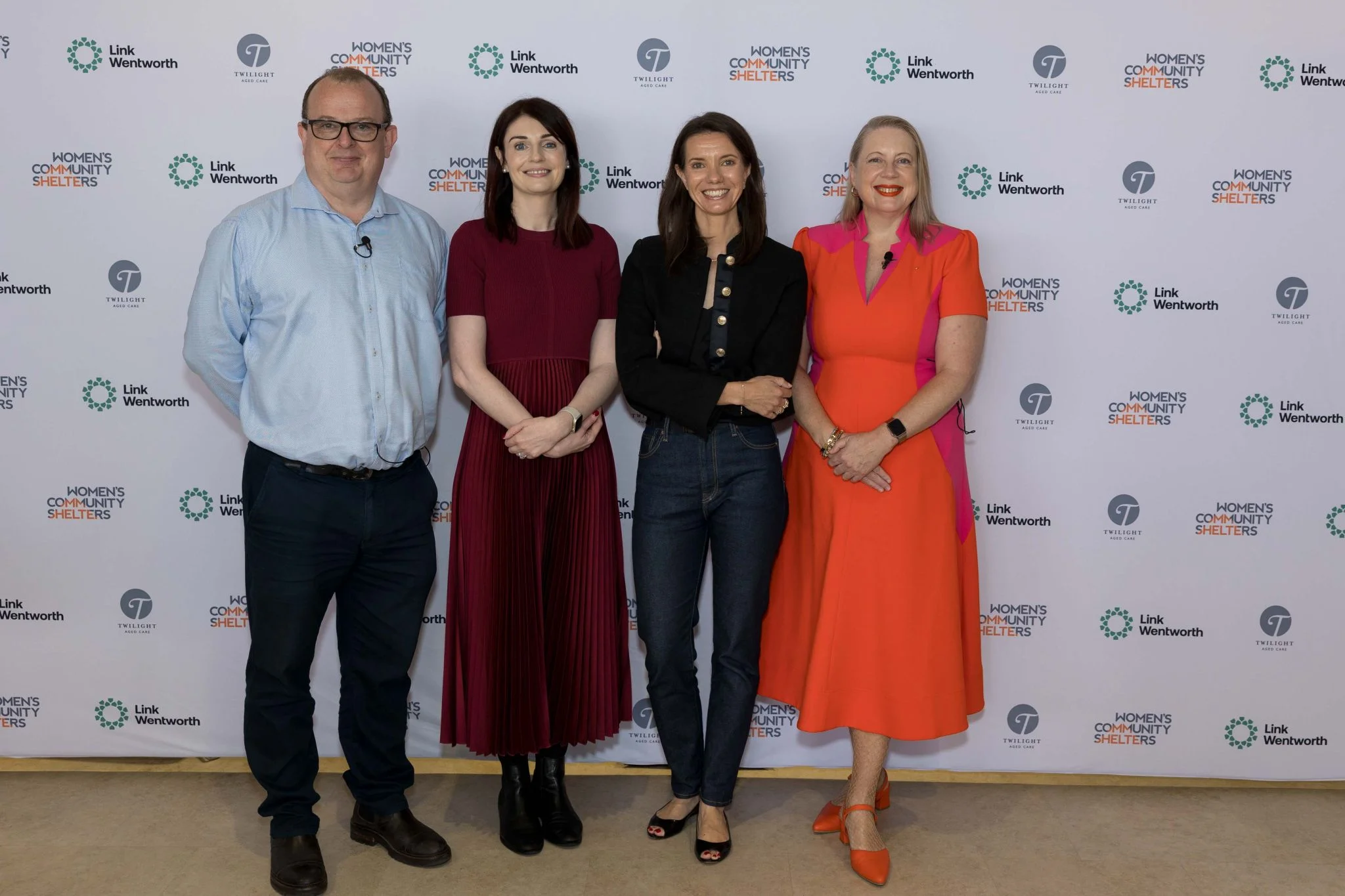
Mosman House was delivered through a partnership between Link Wentworth, Women’s Community Shelters and Twilight Aged Care, with support from corporate and philanthropic donors.
Safety, Stability And A Pathway Forward
The women who stayed at Mosman House ranged in age from 50 to 81, with an average age of 59. Many arrived after facing circumstances that made secure housing difficult to access.
Affordability pressures were the most common barrier, affecting 42 per cent of residents. Domestic and family violence accounted for 23 per cent, while financial hardship accounted for 20 per cent.
The project was designed to bridge the gap between crisis accommodation and permanent housing. It offered residents a stable place to stay while support was provided to help them work towards longer-term accommodation.
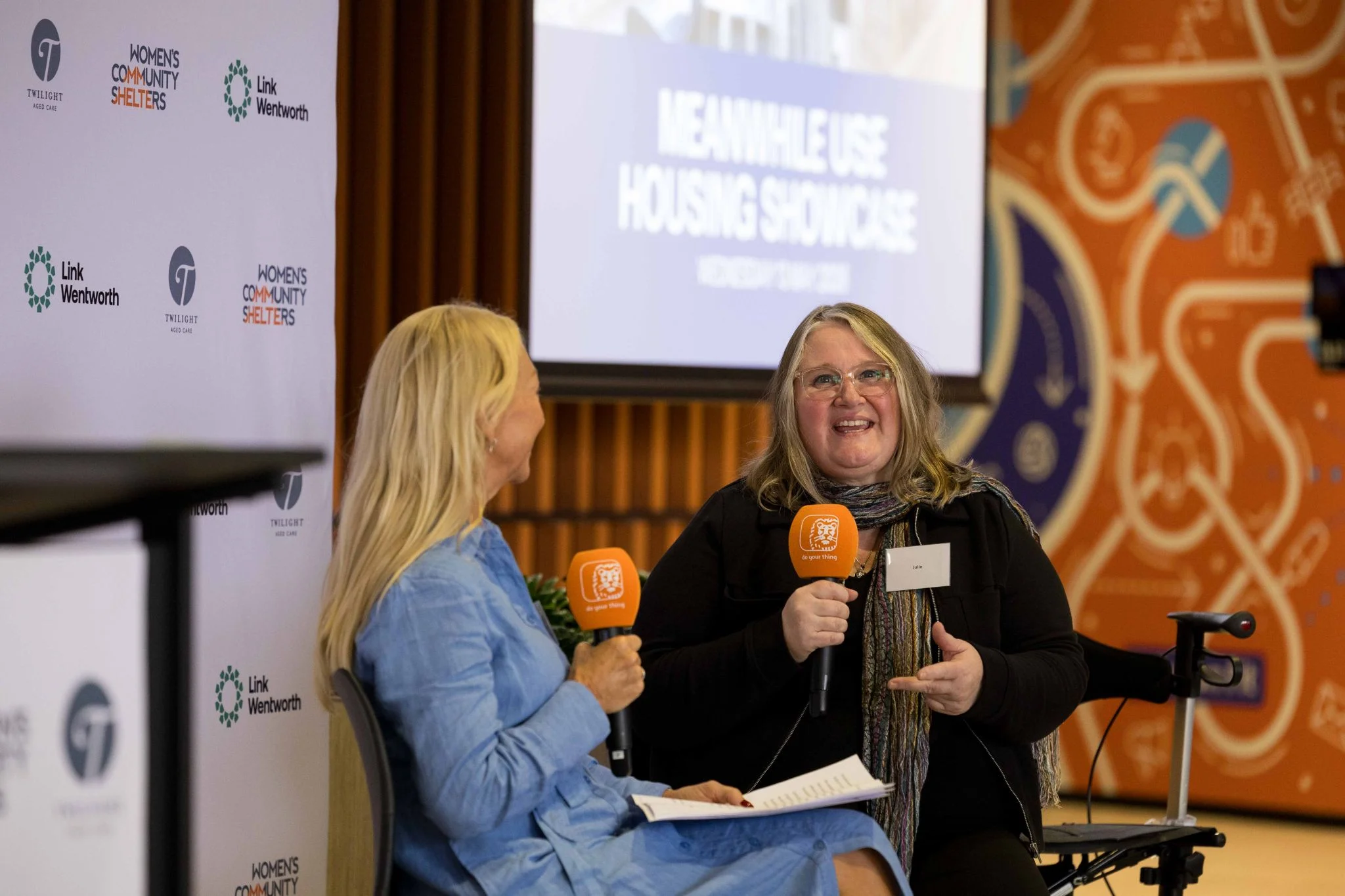
One former resident shared how Mosman House supported her after unexpected life events left her without stable housing. Her experience reflected the broader purpose of the project: not only to provide temporary shelter, but to give women a safer setting while they rebuilt their next steps.
More Than 25,000 Safe Nights In Mosman
Across five years, Mosman House delivered more than 25,000 safe nights for vulnerable older women.
The outcomes showed the strength of the model. Eighty-four per cent of women who stayed at Mosman House were offered safe, permanent housing after their time in the program.
The project also operated at $46.75 per bed night. That was lower than Women’s Community Shelters’ 2025 average crisis shelter bed night of $130 and the temporary accommodation sector average of $165 listed in the project material.
Beyond the housing figures, the project also created lasting social connections. Many residents remained in touch after leaving the program, showing how a safe housing setting can support connection as well as accommodation.
A Practical Model With A Human Result
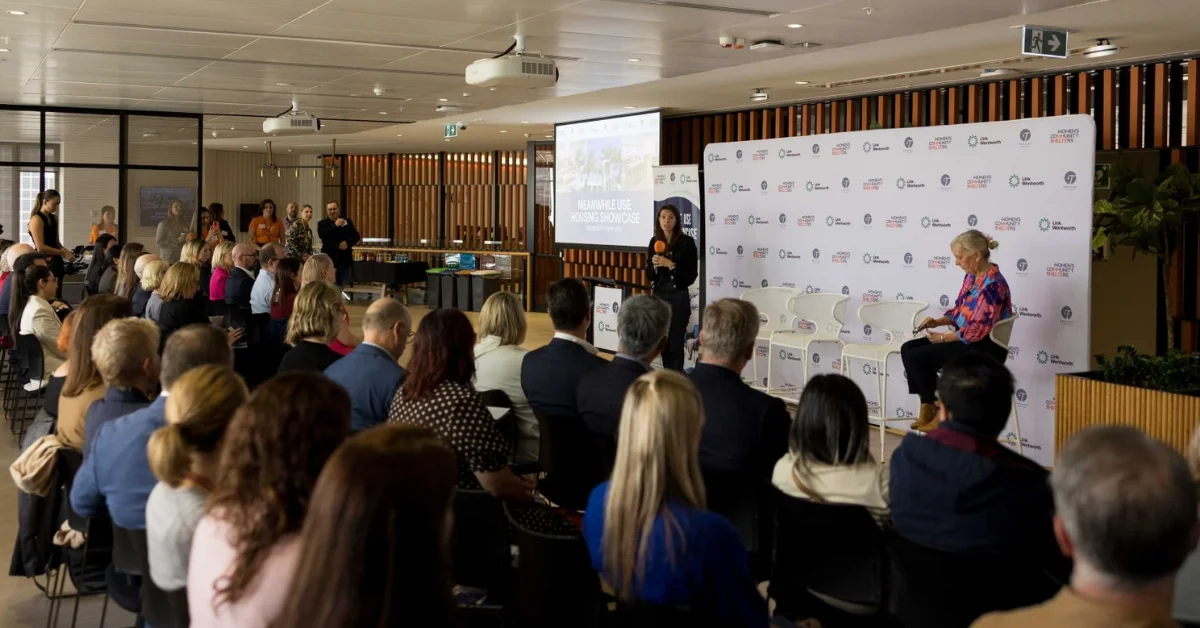
Mosman House has since been presented as a case study in Meanwhile Use housing. Its success came from a simple but powerful idea: an empty property could be used to meet immediate housing need instead of remaining unused.
For the women who stayed there, the project offered safety during periods of instability. For the organisations behind it, Mosman House showed how vacant buildings can be temporarily adapted into meaningful accommodation while permanent housing options are pursued.
The result was not only measured in homes, costs or program figures. It was also seen in the thousands of nights where older women had a safe place to sleep, steady support around them, and a clearer path towards secure housing.
Published 13-May-2026