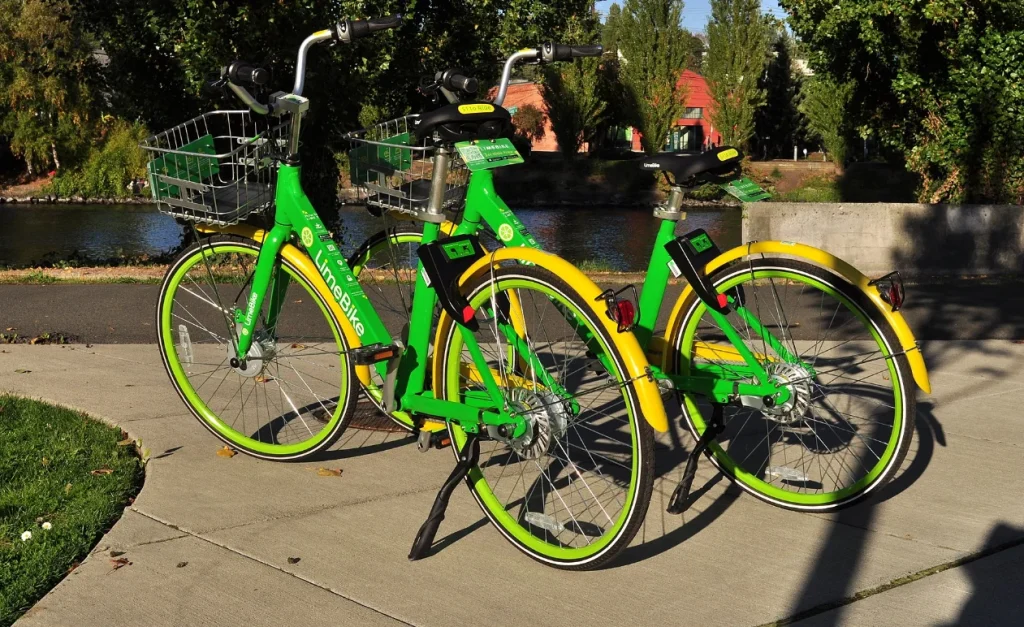

New Walking Bus Service to Escort Mosman Students to School

Two Mosman residents have launched a paid walking bus service called walked.by, offering to escort local children to and from school for $5 per trip as a Term 3 pilot in the suburb.


Julia Edgar and Sophie Krynauw started the service after noticing that many children living close to school are still dropped off by car because morning schedules are so tight. Their answer is walked.by, a structured walking bus service that puts a trained adult in charge of a small group of children along a fixed neighbourhood route.

Mosman’s geography makes the concept unusually well-suited to the area. Five schools cluster around the village, including Mosman High at 769 Military Road, Mosman Public on Belmont Road, Sacred Heart on Cardinal Street, Mosman Prep on Shadforth Street, and Queenwood and Blessed Sacrament both on Queen Street.

Beauty Point and Middle Harbour public schools sit further north toward The Spit. In a suburb of just 8.7 square kilometres, most students already live within walking distance of their school gate.

A simple idea with a lot going for it

The walked.by model works like this: trained adults called Route Managers collect children from fixed pick-up points along a capped 1.5-kilometre route and walk them to school in the morning, then bring them home again in the afternoon. Every Route Manager holds a Working With Children Check and first aid certification.
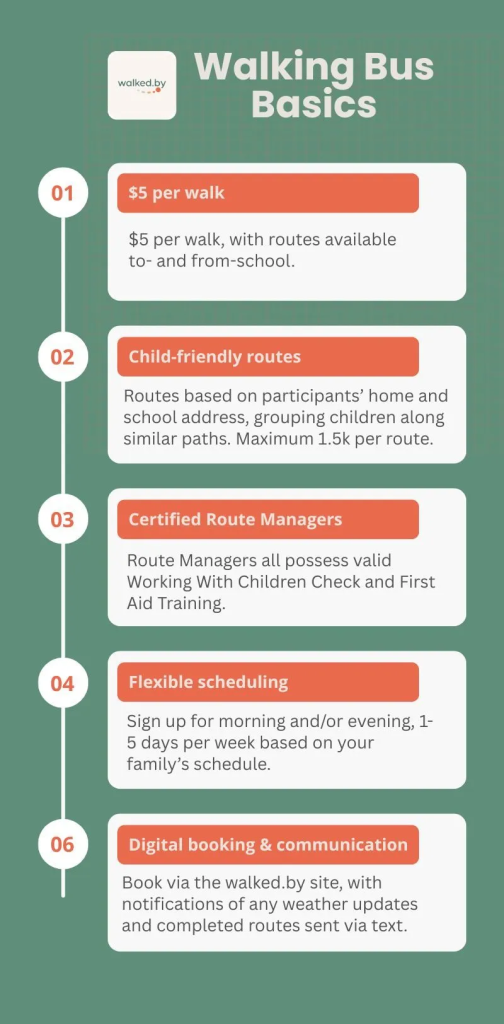
Photo Credit: walked.by

Families choose the days that suit them, from one to five per week, and can book either the morning run, the afternoon run, or both. A text confirms when the route is complete.

The service covers children from Kindy through Year 7. The service costs $5 per walk, and registrations are now open for the Term 3 pilot starting in mid-July 

Julia brings significant professional experience to the venture, having led marketing roles for Amazon, HSBC and T-Mobile, while Sophie spent close to two decades in financial services. Both are Mosman residents and parents who know firsthand what the morning looks like when logistics and time collide.

“Children who live five or ten minutes from their school arrive by car, because the logistics of the morning just don’t give families another option,” Julia said. “Walking has become something that happens when you have time, and nobody has time.”

More than just getting there on time

The case Julia and Sophie make goes well beyond solving a scheduling headache. They point to established research linking walking to school with sharper concentration, reduced stress and better road awareness in children, the kind of benefits that accumulate quietly over a school year but matter a great deal.
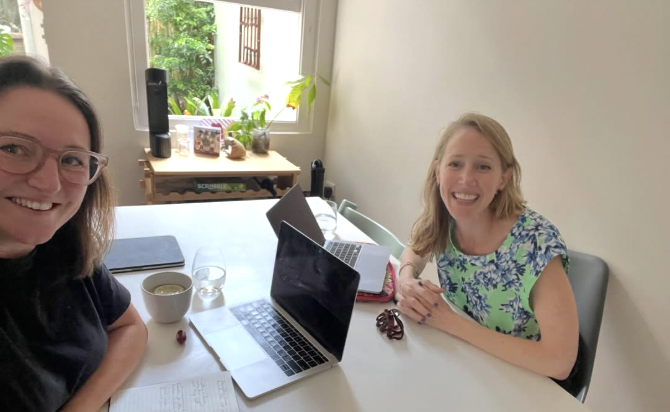
Photo Credit: walked.by

There is also an environmental angle. The founders estimate the Mosman pilot could remove around 16 tonnes of carbon from local roads, taking a meaningful bite out of the morning crawl along Military Road that anyone who has tried to cross it at 8:45am knows well.

“We’re not just solving a logistics problem,” Julia said. “We’re trying to help children build a healthy relationship with movement, with nature and with their community. That’s something you can’t get from the back seat of a car.”

If the Term 3 pilot goes well, walked.by plans to expand into after-school sport, care, and activity routes as well.

Joining the pilot or becoming a route manager

Mosman families with children in Kindy through Year 7 can register for the Term 3 pilot here. The site also carries a jobs page for anyone interested in becoming a paid Route Manager, a role that suits local residents who want flexible, community-connected work during school hours.

For general enquiries, the walked.by team can be reached at hello@walkedby.com.au. The service is based in Mosman NSW 2088 and is also on Instagram and LinkedIn.


Published 25-June-2026
Mosman Prepares For Lime E-Bikes Under Managed Rollout Plan

Mosman is preparing for the arrival of Lime e-bikes through a managed rollout, with parking controls, geofencing and public safety measures expected to shape how the service operates around beaches, wharves and busy local areas.


Mosman Lime E-Bike Rollout Moves Ahead With Local Controls

Lime e-bikes are expected to move into Mosman through a gradual soft launch, after a structured approach was endorsed for their proposed introduction.

The plan centres on lifting geofencing restrictions near Spofforth Street, allowing bikes already operating in the adjoining North Sydney area to enter Mosman through normal rider movement. Under this approach, Lime would not place bikes directly in Mosman at the start. Instead, their presence would build gradually from nearby operating zones.

Lime already operates in North Sydney and Manly, where shared e-bikes have become a familiar transport option. Their expected arrival in Mosman has prompted both interest and concern, particularly around where the bikes will be parked and how high-use public areas will be managed.

The endorsed approach recognises that the request cannot be unreasonably refused, while setting a framework aimed at balancing active transport options with safety, amenity and compliance.

Parking And Geofencing Set To Shape Mosman Use

The main local issue is how the bikes will be managed once they begin appearing in Mosman.

Concerns identified in local planning material include footpath obstruction, visual clutter and the management of bikes around foreshore and high-use public areas. Balmoral and Clifton Gardens fall within the type of locations expected to require close attention because of their public use and beachside setting.

Designated parking would be limited to selected strategic locations, including Mosman Bay Wharf, B-Line stops, beaches and commercial centres. Parks, ovals and sensitive public spaces are expected to be treated as no-go zones through geofencing.

A proposed map of parking locations and operating areas is also expected to guide the rollout before bikes begin moving into Mosman in larger numbers.

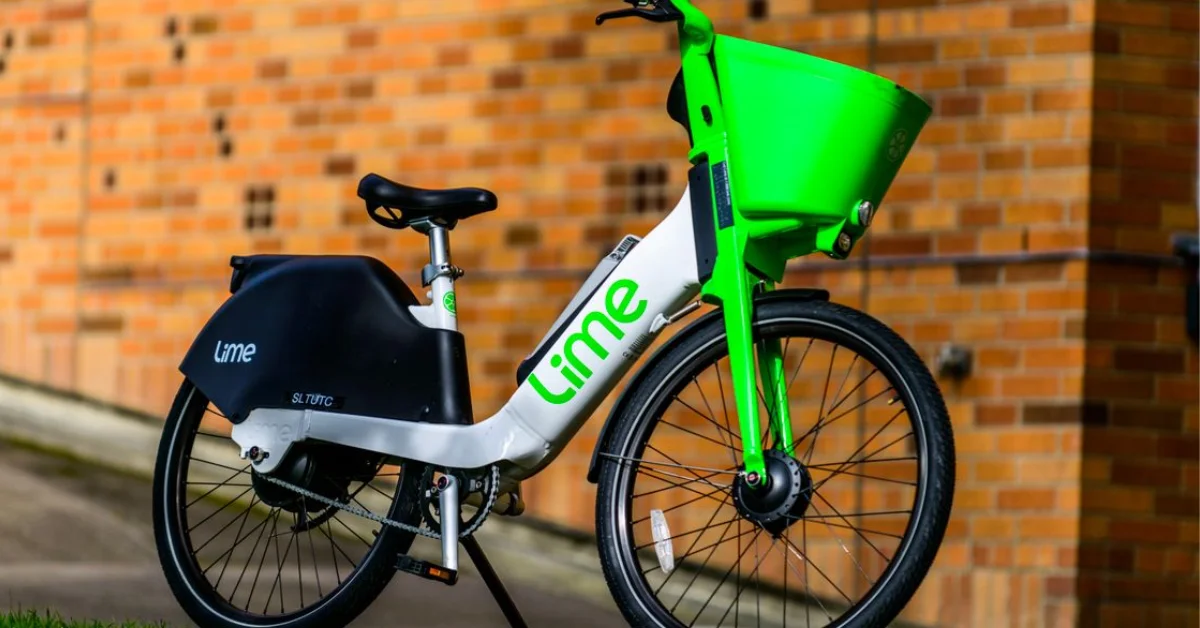
Lime e-bikes
Photo Credit: Wikipedia

North Sydney Experience Adds Caution

Mosman’s planned controls are partly shaped by the experience of nearby North Sydney, where Lime’s November 2024 rollout raised early concerns about bikes being left in unsafe or inconvenient locations.

More than 100 bikes were moved in one month after being identified as public safety risks. That experience has added weight to local concern about whether shared e-bikes can be managed without blocking footpaths, verges or other public spaces.

Public reaction has been mixed. Some residents see the bikes as a useful way to make short trips, reach beaches and avoid parking pressure. Others are concerned about bikes being left across footpaths, in cul-de-sacs, on grass verges, near parked cars or in areas where pedestrians need clear access.

Helmet use and proper parking have also emerged as points of concern in public discussion.

Cost And Compliance Remain Key Questions

Under the proposed fee model, operators would pay 80 cents per trip. Transport for NSW would retain 60 cents, while 20 cents would go towards local enforcement, complaints and infrastructure costs.

Mosman’s planning material warns that this amount may not fully cover the cost of managing the service. That makes compliance, monitoring and response times important parts of the rollout.

Lime has indicated that improperly parked bikes are generally removed within four hours. The practical test for Mosman will be whether parking zones, geofencing and response systems are enough to manage the service without creating avoidable problems in busy public areas.


Mosman is preparing for Lime e-bikes as a managed transport change rather than a direct fleet drop. The strongest focus is expected to remain on beaches, wharves, commercial centres and other places where public access and clear pathways matter most.

Published 5-June-2026