






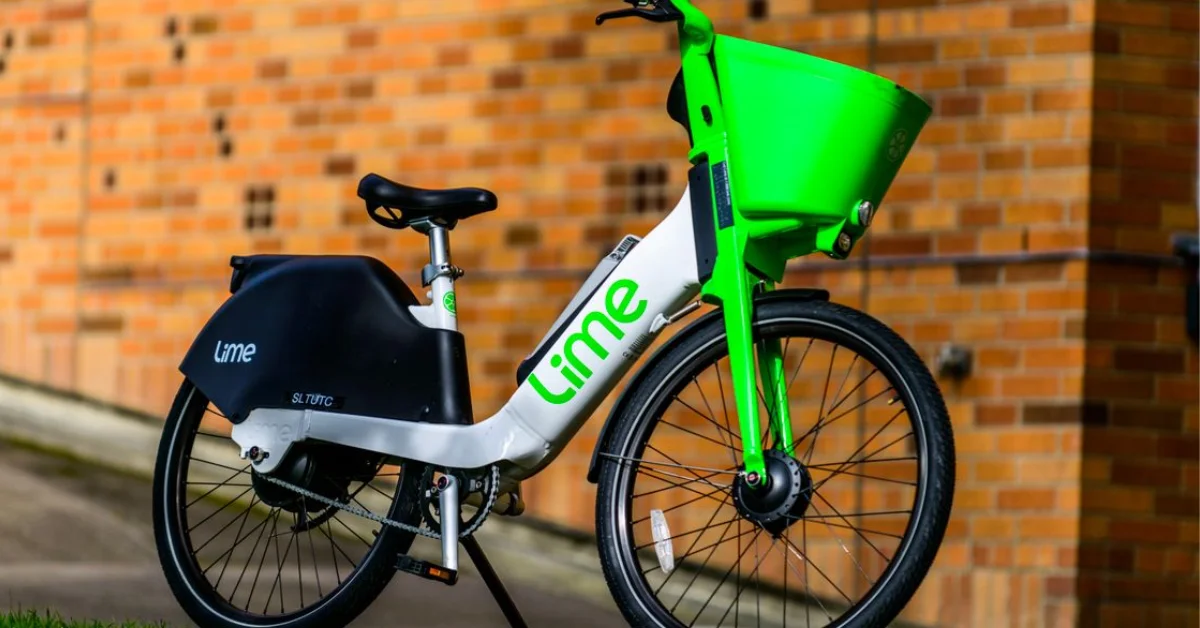
Mosman is preparing for the arrival of Lime e-bikes through a managed rollout, with parking controls, geofencing and public safety measures expected to shape how the service operates around beaches, wharves and busy local areas.
Mosman Lime E-Bike Rollout Moves Ahead With Local Controls
Lime e-bikes are expected to move into Mosman through a gradual soft launch, after a structured approach was endorsed for their proposed introduction.
The plan centres on lifting geofencing restrictions near Spofforth Street, allowing bikes already operating in the adjoining North Sydney area to enter Mosman through normal rider movement. Under this approach, Lime would not place bikes directly in Mosman at the start. Instead, their presence would build gradually from nearby operating zones.
Lime already operates in North Sydney and Manly, where shared e-bikes have become a familiar transport option. Their expected arrival in Mosman has prompted both interest and concern, particularly around where the bikes will be parked and how high-use public areas will be managed.
The endorsed approach recognises that the request cannot be unreasonably refused, while setting a framework aimed at balancing active transport options with safety, amenity and compliance.
Parking And Geofencing Set To Shape Mosman Use
The main local issue is how the bikes will be managed once they begin appearing in Mosman.
Concerns identified in local planning material include footpath obstruction, visual clutter and the management of bikes around foreshore and high-use public areas. Balmoral and Clifton Gardens fall within the type of locations expected to require close attention because of their public use and beachside setting.
Designated parking would be limited to selected strategic locations, including Mosman Bay Wharf, B-Line stops, beaches and commercial centres. Parks, ovals and sensitive public spaces are expected to be treated as no-go zones through geofencing.
A proposed map of parking locations and operating areas is also expected to guide the rollout before bikes begin moving into Mosman in larger numbers.
North Sydney Experience Adds Caution
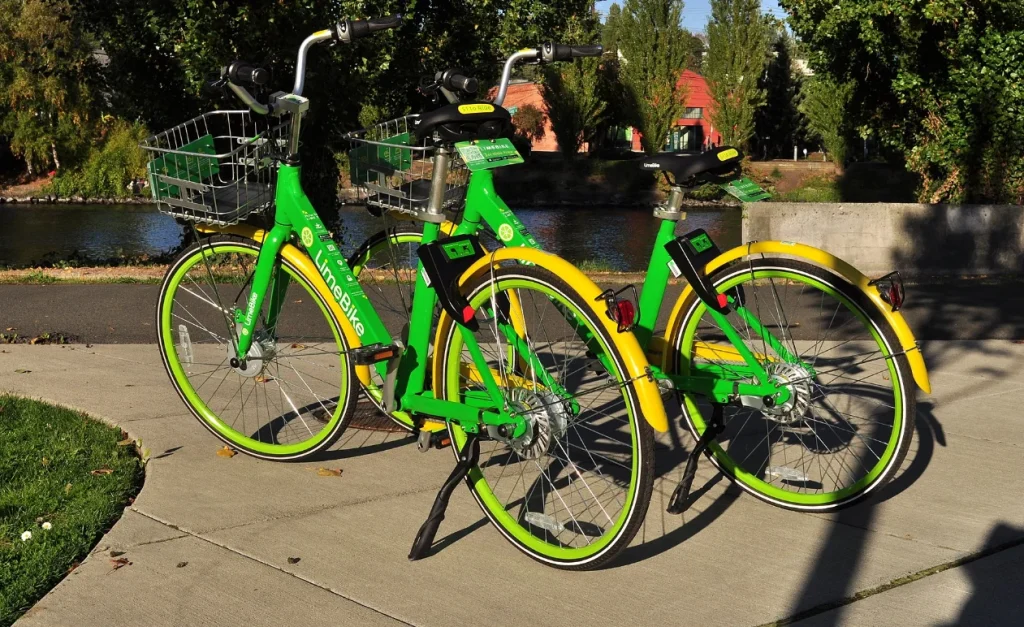
Mosman’s planned controls are partly shaped by the experience of nearby North Sydney, where Lime’s November 2024 rollout raised early concerns about bikes being left in unsafe or inconvenient locations.
More than 100 bikes were moved in one month after being identified as public safety risks. That experience has added weight to local concern about whether shared e-bikes can be managed without blocking footpaths, verges or other public spaces.
Public reaction has been mixed. Some residents see the bikes as a useful way to make short trips, reach beaches and avoid parking pressure. Others are concerned about bikes being left across footpaths, in cul-de-sacs, on grass verges, near parked cars or in areas where pedestrians need clear access.
Helmet use and proper parking have also emerged as points of concern in public discussion.
Cost And Compliance Remain Key Questions
Under the proposed fee model, operators would pay 80 cents per trip. Transport for NSW would retain 60 cents, while 20 cents would go towards local enforcement, complaints and infrastructure costs.
Mosman’s planning material warns that this amount may not fully cover the cost of managing the service. That makes compliance, monitoring and response times important parts of the rollout.
Lime has indicated that improperly parked bikes are generally removed within four hours. The practical test for Mosman will be whether parking zones, geofencing and response systems are enough to manage the service without creating avoidable problems in busy public areas.
Mosman is preparing for Lime e-bikes as a managed transport change rather than a direct fleet drop. The strongest focus is expected to remain on beaches, wharves, commercial centres and other places where public access and clear pathways matter most.
Published 5-June-2026


#/media/File:Seattle_-_Lime_Bike_-_01.jpg)